Overview and Importance
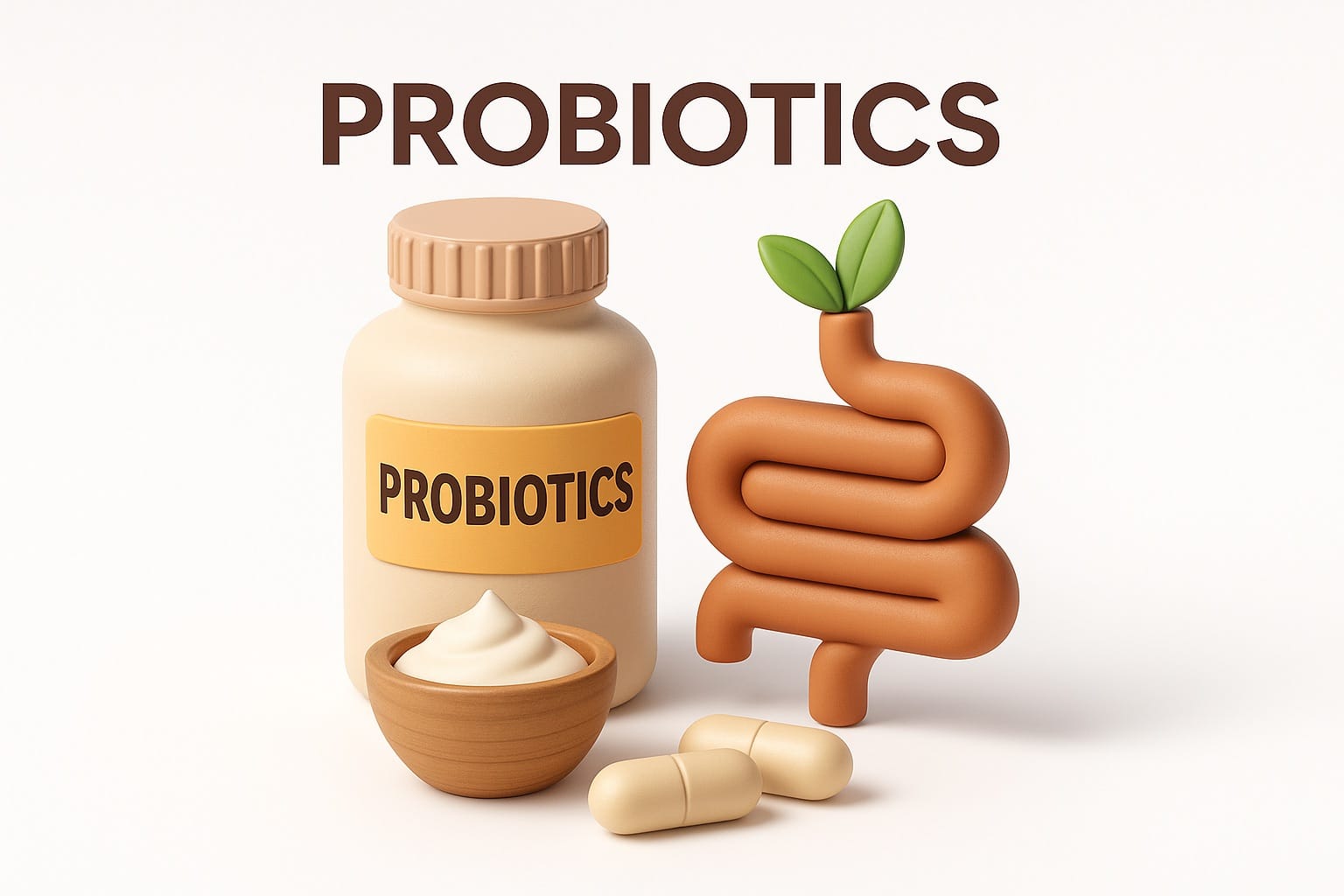
Probiotics are live microorganisms, primarily bacteria and yeasts, that provide health benefits when consumed in adequate amounts. Often called "good" or "friendly" bacteria, they help maintain a healthy balance in your gut microbiome, the community of over 100 trillion microbes living in your digestive tract. This ecosystem influences far more than digestion: it affects immunity, nutrient absorption, mood, and even weight management. The global probiotics market is projected to reach $77 billion by 2025, reflecting growing awareness of gut health's central role in overall wellness. Fun fact: your gut contains more bacteria than there are cells in your body!
Natural Sources vs. Supplements
Probiotics are found naturally in fermented foods and available as concentrated supplements:
Food Sources: Yogurt with live cultures (1 cup = ~1 billion CFU), kefir (1 cup = ~10-34 billion CFU), sauerkraut (1/2 cup = ~1 billion CFU), kimchi, miso, tempeh, and kombucha. Look for labels stating "live and active cultures" to ensure probiotic content.
Supplements: Available as capsules, powders, gummies, and liquids containing specific strains like Lactobacillus acidophilus, Bifidobacterium lactis, or Saccharomyces boulardii. Supplements typically provide 1-100 billion colony-forming units (CFU) per dose.
Fermented foods offer a variety of strains plus additional nutrients, while supplements allow targeted dosing of specific strains for particular health goals. Supplements are especially useful after antibiotic use, for travelers, or those with digestive conditions like IBS. Consult a healthcare provider if you're immunocompromised or have serious health conditions.
Recommended Daily Intake and Dosage
There's no official Recommended Dietary Allowance for probiotics, as needs vary by individual and health goal. Research-backed guidelines include:
- General Gut Health: 1-10 billion CFU daily from food or supplements.
- Digestive Issues (IBS, bloating): 10-20 billion CFU daily of strains like Bifidobacterium infantis.
- Antibiotic Recovery: 10-20 billion CFU daily, starting during antibiotic use and continuing 1-2 weeks after.
- Immune Support: 5-10 billion CFU daily of Lactobacillus strains.
More isn't always better. CFU counts above 50 billion rarely show additional benefits and may cause digestive discomfort. Quality and strain specificity matter more than sheer numbers.
Deficiency Risks and Symptoms
While you can't be "deficient" in probiotics like vitamins, an imbalanced gut microbiome (dysbiosis) causes problems:
Symptoms: Bloating, gas, constipation or diarrhea, frequent infections, fatigue, brain fog, and skin issues like acne or eczema.
High-Risk Groups: Those who've taken antibiotics (which kill good bacteria too), people with poor diets high in processed foods, individuals under chronic stress, and those with digestive disorders. C-section babies and formula-fed infants may also have less diverse gut bacteria initially.
Studies suggest up to 70% of the immune system resides in the gut, making microbiome balance crucial for overall health.
Potential Side Effects and Toxicity
Probiotics are generally safe for most people, with mild and temporary side effects:
Common Side Effects: Bloating, gas, and mild digestive upset when first starting, usually resolving within a few days as your gut adjusts.
Rare Concerns: In immunocompromised individuals, those with central venous catheters, or critically ill patients, probiotics may rarely cause infections. These populations should avoid supplementation without medical supervision.
Toxicity: No significant toxicity is documented for healthy individuals at normal doses. Excess probiotics are simply excreted.
Start with a lower dose and increase gradually to minimize adjustment symptoms.
Interactions with Medications and Health Conditions
Probiotics have few drug interactions but consider these factors:
Antibiotics: Take probiotics 2-3 hours apart from antibiotics to prevent the medication from killing the beneficial bacteria.
Immunosuppressants: Those on immunosuppressive drugs should consult their doctor, as probiotics could theoretically cause infections in severely compromised immune systems.
Health Conditions: People with short bowel syndrome, pancreatitis, or serious illness should seek medical advice before starting probiotics.
Probiotics may enhance the effects of prebiotics (fiber that feeds good bacteria) and work synergistically with a healthy diet.
Who Benefits Most from Supplementation?
Probiotic supplementation is particularly beneficial for:
- Post-Antibiotic Recovery: To restore gut flora depleted by medication (studies show 40% reduction in antibiotic-associated diarrhea).
- IBS Sufferers: Specific strains like Bifidobacterium infantis have shown 20-30% symptom improvement in clinical trials.
- Travelers: To prevent traveler's diarrhea, especially in developing countries.
- Those with Weak Immunity: Regular probiotic intake may reduce cold duration by 1-2 days per 2019 Cochrane review.
- People with Mental Health Concerns: The gut-brain axis research shows certain strains may reduce anxiety and depression symptoms.
A 2023 meta-analysis in Gut Microbes confirmed probiotics' efficacy for digestive symptoms and immune function.
How to Choose a Quality Supplement
Selecting an effective probiotic requires attention to detail:
- Strain Specificity: Look for products listing specific strains (e.g., Lactobacillus rhamnosus GG, not just "Lactobacillus").
- CFU Count: Choose 1-10 billion CFU for maintenance, higher for therapeutic use. Ensure the count is guaranteed "at expiration," not just at manufacture.
- Third-Party Testing: Look for USP, NSF, or ConsumerLab verification for purity and potency.
- Storage Requirements: Some probiotics require refrigeration; shelf-stable options use special coatings to protect bacteria.
Multi-strain formulas may offer broader benefits, but single-strain products are better studied for specific conditions. Expect to pay $15-40 monthly for quality supplements.
Practical Tips for Incorporation
Build probiotics into your daily routine:
Diet: Eat yogurt or kefir with breakfast, add sauerkraut or kimchi as a side dish, sip kombucha as an afternoon drink, or include miso soup before meals.
Supplements: Take with or just before a meal containing some fat to protect bacteria from stomach acid. Morning or evening works equally well, just be consistent.
Pairing: Combine probiotics with prebiotic foods (onions, garlic, bananas, oats) to feed the beneficial bacteria and enhance their effects.
Consistency matters more than timing. Daily intake over weeks shows the best results.
Myths and Misconceptions
Let's clarify common probiotic myths:
Myth: All yogurts contain probiotics. Truth: Only yogurts labeled "live and active cultures" contain meaningful probiotic levels. Heat-treated products lose their beneficial bacteria.
Myth: Higher CFU counts are always better. Truth: Strain quality and matching the right strain to your health goal matters more than raw numbers.
Myth: Probiotics colonize your gut permanently. Truth: Most probiotic strains are transient visitors. Regular consumption is needed to maintain benefits.
Evidence supports probiotics for specific conditions, but they're not a cure-all.
Latest Research and Trends
Probiotic science is evolving rapidly:
Gut-Brain Axis: A 2024 study in Nature Microbiology confirmed specific Lactobacillus strains produce neurotransmitters affecting mood and stress response.
Personalized Probiotics: Companies now offer microbiome testing to recommend tailored probiotic strains based on your unique gut composition.
Athletic Performance: Research in the Journal of Sports Science (2023) showed athletes taking probiotics had 30% fewer upper respiratory infections during training.
Next-generation probiotics targeting specific conditions like metabolic syndrome and autoimmune diseases are in development.
Call to Action and Next Steps
Ready to support your gut health? Start by adding one fermented food to your daily diet, like yogurt at breakfast or sauerkraut with lunch. If you're considering supplements, choose a reputable brand with strains matched to your health goals and talk to your doctor if you have underlying conditions. Try this simple recipe: top Greek yogurt with berries and a drizzle of honey for a probiotic-rich snack. Share your favorite fermented foods or questions in the comments! For more nutrition insights, check out our guides on fiber-rich prebiotics and digestive health.