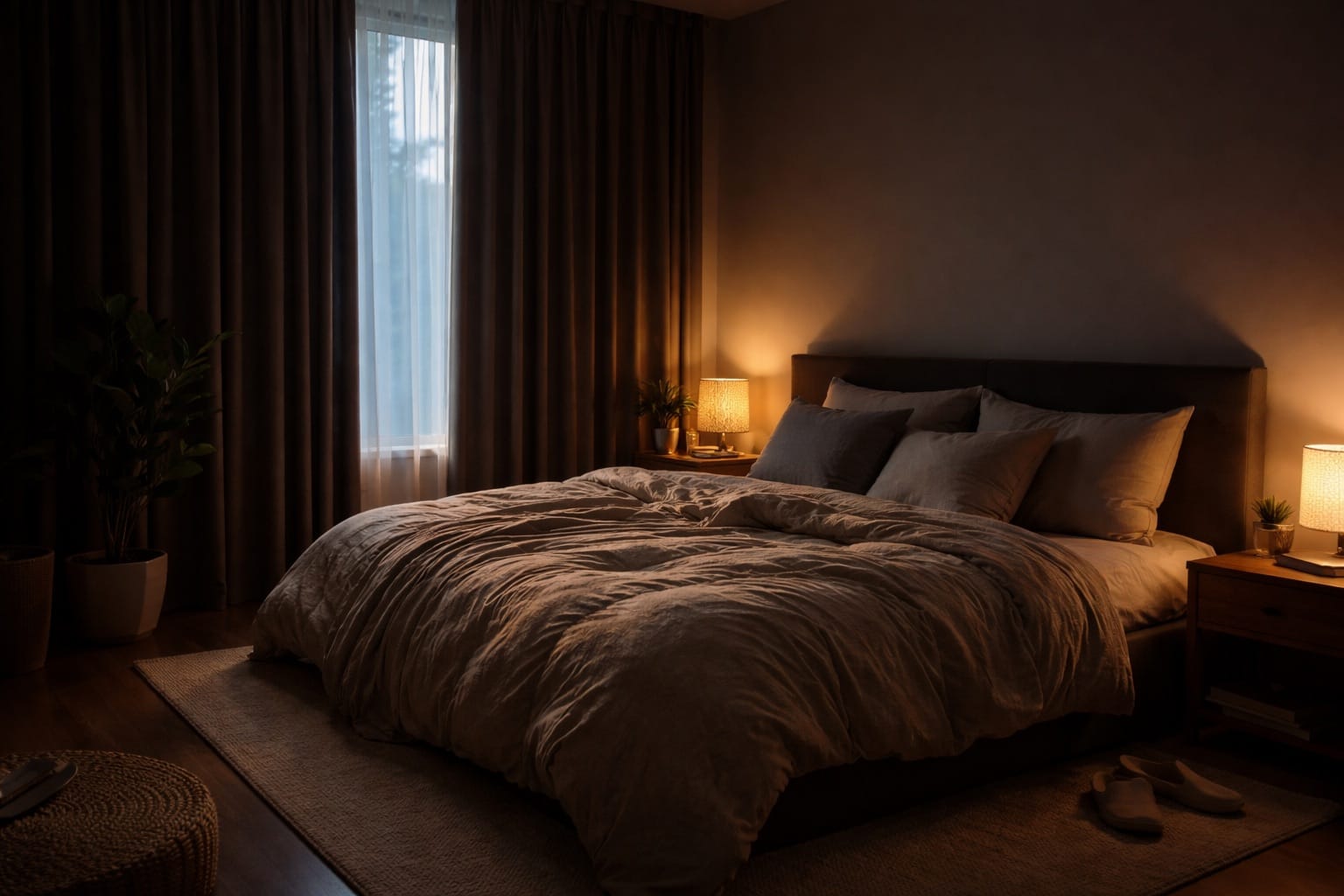
You can have the perfect training program. You can nail your protein intake. You can take every supplement that's ever been studied. But if you're sleeping 5-6 hours a night, you're leaving massive gains on the table.
Sleep isn't passive recovery. It's when the real magic happens. Your body doesn't build muscle in the gym; it builds muscle while you rest. And nothing trumps sleep for rest quality.
The Science of Sleep and Muscle Growth
During sleep, your body shifts into repair mode. Here's what happens:
Growth Hormone Surge
Human growth hormone (HGH) is crucial for muscle repair and growth. Studies show that 70-80% of daily HGH secretion occurs during deep sleep, particularly in the first half of the night. Cut your sleep short and you're cutting your natural anabolic hormone production.
Muscle Protein Synthesis
Research from multiple studies shows that sleep deprivation reduces muscle protein synthesis, the process by which your body repairs and builds muscle tissue. One study found that just one week of sleep restriction (5.5 hours per night) reduced muscle protein synthesis rates significantly compared to adequate sleep.
Testosterone Optimization
Testosterone levels peak during sleep. Men who sleep only 5 hours per night have testosterone levels 10-15% lower than those sleeping 8 hours. Since testosterone is critical for muscle building and recovery, this matters for your gains.
How Poor Sleep Sabotages Performance
The effects of inadequate sleep show up immediately in the gym:
- Reduced strength: Studies show 10-30% decreases in max lifts after poor sleep
- Impaired motor learning: Your ability to refine technique suffers
- Slower reaction time: Important for compound lifts and safety
- Reduced motivation: The mental drive to train hard diminishes
- Increased injury risk: Fatigue impairs coordination and judgment
The Cortisol Problem
Chronic sleep deprivation elevates cortisol, your stress hormone. While some cortisol is normal and necessary, chronically elevated levels:
- Promote muscle breakdown (catabolism)
- Encourage fat storage, particularly visceral fat
- Impair immune function
- Reduce insulin sensitivity
Getting adequate sleep is one of the most effective ways to keep cortisol in check.
Sleep vs. Supplements: The Truth
Here's a reality check: there is no supplement that can replace sleep. Consider:
- Creatine: Excellent supplement, but its benefits are maximized when paired with proper recovery
- Protein powder: Convenient, but useless if your body can't synthesize it properly due to poor sleep
- Pre-workout: Masks fatigue temporarily, doesn't fix it
- ZMA/Magnesium: May help sleep quality, but doesn't replace duration
Before spending money on supplements, invest in your sleep. It's free, and the returns are massive.
How Much Sleep Do You Actually Need?
The science points to 7-9 hours for most adults, with athletes often needing closer to 9. Here's how to find your number:
- For one week, go to bed early enough to wake without an alarm
- Note how many hours you naturally sleep
- Your average is likely your optimal sleep need
Most people who claim they "only need 6 hours" are actually chronically sleep-deprived and have adjusted to feeling suboptimal.
Sleep Optimization Strategies
Environment
- Temperature: Keep your bedroom cool (65-68°F / 18-20°C)
- Darkness: Use blackout curtains or a sleep mask
- Quiet: Consider earplugs or white noise if needed
- Comfortable bedding: Invest in a quality mattress and pillows
Timing
- Consistent schedule: Go to bed and wake up at the same time daily, even weekends
- Caffeine cutoff: No caffeine after noon (it has a 6-hour half-life)
- Last meal timing: Finish eating 2-3 hours before bed
- Screen cutoff: No phones/screens 1 hour before bed
Wind-Down Routine
- Dim lights 1-2 hours before bed
- Read a physical book
- Light stretching or gentle yoga
- Journaling or meditation
- Warm shower or bath
Dealing with Training and Sleep
Your workout timing can affect sleep quality:
- Morning training: Generally supports better sleep. You'll feel tired at night
- Afternoon training: Usually fine; body temperature drops in time for bed
- Evening training: Finish at least 2-3 hours before bed; intense training too close to bedtime can impair sleep
Signs You're Not Sleeping Enough
Watch for these red flags:
- You need an alarm to wake up
- You hit snooze multiple times
- You feel groggy for hours after waking
- You need caffeine to function
- You fall asleep instantly when your head hits the pillow (this actually indicates severe sleep debt)
- Your performance in the gym is stalling despite good programming
The Longevity Connection
Beyond muscle and performance, sleep impacts how long and how well you'll live:
- Cardiovascular health: Poor sleep increases heart disease risk
- Cognitive function: Sleep is when your brain clears metabolic waste
- Immune function: Sleep deprivation suppresses immune response
- Mental health: Strong links between poor sleep and depression/anxiety
Your Action Plan
Starting tonight:
- Calculate what time you need to be asleep to get 8 hours before your alarm
- Set a "go to bed" alarm for 30 minutes before that time
- Put your phone in another room
- Create a simple 10-minute wind-down routine
- Track your sleep duration for one week and note how you feel
Sleep is the legal performance enhancer that most people ignore. Prioritize it, protect it, and watch your training results transform. Your muscles will thank you, your mind will sharpen, and your long-term health will benefit.